How to Transfer Car Ownership in Pakistan: The Ultimate Step-by-Step Guide
Buying a used car in Pakistan is exciting, but many people overlook one critical step: transferring the ownership. Skipping or delaying this process can lead to serious legal, financial, and practical problems.
In 2026, most provinces have digitized parts of the vehicle transfer process through Excise & Taxation departments and MTMIS portals, making it faster and more transparent than before. However, the procedure still involves multiple steps, specific documents, fees, and provincial variations.
This guide explains everything clearly: the legal meaning of vehicle ownership, full procedures for every province, required documents, current fees, time duration, advantages/disadvantages of keeping the vehicle in someone else’s name, and whether you need a lawyer or agent.
Rules and fees can change. Always verify on official Excise & Taxation websites before proceeding.
What is the Legal Status of a Vehicle in Pakistan?
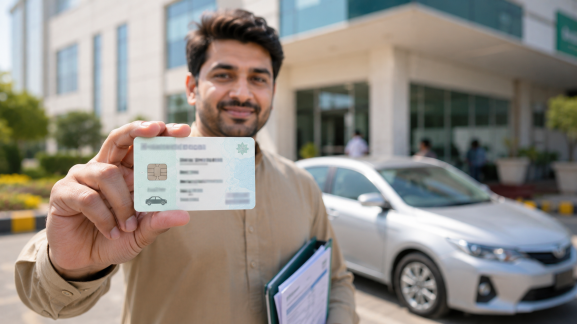
In Pakistan, a vehicle is considered movable property under the law. Ownership is established and proven through the Registration Certificate (also called the “Smart Card” or “Registration Book”) issued by the provincial Excise & Taxation Department.
The person whose name appears on the registration certificate is the legal registered owner. This registration is mandatory under the Provincial Motor Vehicles Ordinances. Without proper registration and transfer, you do not have full legal ownership, even if you have paid the full amount and possess the physical vehicle.
Read More: How to Apply for Driving License in Pakistan – Complete Guide
Legal ownership gives you:
- Right to sell or transfer the vehicle
- Ability to insure it properly
- Legal standing in case of accidents or disputes
- Compliance with traffic laws during police checks
What Does “Ownership of Vehicle” Mean in Pakistan?
Ownership means the vehicle is registered in your name with the Excise & Taxation Department. It is not just about physical possession or a sale agreement. Until the transfer is completed and the new Smart Card is issued in your name, the previous owner remains legally responsible for:
- Token tax liabilities
- Traffic violations (e-challans)
- Accidents or legal claims
A simple “bayana” (sale agreement) or cash receipt is not sufficient for legal ownership. Full transfer through Excise is mandatory.
Advantages and Disadvantages of Keeping Vehicle in Someone Else’s Name
Advantages (Short-term):
- Quick possession without paperwork
- Avoid immediate transfer fees
- Sometimes used in family arrangements
Disadvantages (Serious Risks):
- Previous owner remains legally liable for all fines, accidents, and taxes
- You cannot sell the vehicle legally or get proper insurance
- Major problems during police checks, fitness certification, or future sale
- Risk of disputes if the original owner refuses to cooperate later
- Potential legal complications in case of theft, accident, or death of the registered owner
- Difficulty getting bank loans against the vehicle
Strong Recommendation: Always transfer ownership into your name as soon as possible after purchase. The temporary convenience is never worth the long-term risks.
Read More: How to Change Name on CNIC in Pakistan
Required Documents for Vehicle Ownership Transfer (Common Across Pakistan)
Standard Documents:
- Original Registration Certificate (Smart Card)
- Original CNIC of Seller + 2 photocopies
- Original CNIC of Buyer + 2 photocopies
- Properly signed Sale Agreement / Transfer Deed on stamp paper
- Form 29 (Transfer of Ownership) – prescribed form
- Clearance of all pending token tax and e-challans
- Witness CNIC copies (usually 2 witnesses)
- NOC from previous province (if vehicle is being transferred from another province)
- Biometric verification of buyer and seller (mandatory in most provinces now)
Additional documents may be required for commercial vehicles, imported cars, or company-owned vehicles.
Complete Province-Wise Procedure for Vehicle Ownership Transfer (2026)
1. Punjab – Most Digitized Process
Punjab offers the most convenient system through MTMIS and ePay.
Step-by-Step Process:
- Both parties verify the vehicle on MTMIS Punjab Portal https://mtmis.excise.punjab.gov.pk/
- Clear all token tax and e-challans.
- Prepare a sale agreement on stamp paper.
- Visit e-Khidmat Markaz or Excise office (or use online facility where available).
- Submit documents and complete biometric verification of buyer and seller.
- Pay transfer fee through ePay Punjab.
- Vehicle inspection (engine & chassis verification) by Excise staff.
- Receive updated Smart Card via courier.
Time Duration: 3–15 days (faster if all documents are complete).
Transfer Fees (Approximate 2026):
- Up to 1000cc: Rs. 1,200 – 2,000
- 1001–1800cc: Rs. 2,000 – 3,000
- Above 1800cc: Rs. 3,000 – 7,000+ (varies by engine capacity)
2. Sindh – Appointment-Based Process
Steps:
- Book appointment at relevant Excise office (Karachi, Hyderabad, etc.).
- Submit documents including original book, CNICs, and sale agreement.
- Pay fees and complete verification.
- Biometric verification is increasingly required.
- Receive updated registration documents.
Time Duration: 7–21 days.
Fees: Based on engine capacity; check current Sindh Excise portal.
Read More: How to Apply for Driving License in Pakistan
3. KPK (Khyber Pakhtunkhwa)
Process:
- Visit the local Excise & Taxation office.
- Submit Form and documents.
- Pay fees and complete physical verification.
- Updated documents issued after approval.
Time Duration: 10–20 days.
4. Balochistan
Primarily office-based through Excise offices or Police Khidmat Markaz. Follow standard document submission and verification process.
5. Islamabad Capital Territory
Process:
- Apply through Islamabad Excise portal or office.
- Submit application with documents.
- Biometric verification and inspection.
- Pay fees and receive new card.
Is There a Need for Lawyer or Agent?
- Not mandatory for straightforward transfers.
- Highly recommended for high-value vehicles, imported cars, company vehicles, or when seller is unavailable/overseas.
- A good lawyer ensures all paperwork is correct and protects you from future disputes.
- Agents (common in markets) charge extra fees (Rs. 5,000–20,000) and may cut corners.
Best Approach: Do it yourself for simple cases or hire a reputable lawyer for complex ones.
Read More: How to Check Vehicle Owner Details in Pakistan: Complete Official Guide
Time Duration for Complete Transfer
- Normal Cases: 7–30 days
- With Complete Documents & No Issues: 3–10 working days
- Complicated Cases (Disputes, Imported Cars, Missing Documents): Several weeks to months
Fees Involved in Vehicle Transfer
- Transfer fee (varies by engine capacity and province)
- Stamp paper charges for agreement
- Token tax clearance (seller’s responsibility)
- Biometric/NADRA verification fee (if applicable)
- Courier/smart card fee
- Lawyer/agent fee (optional)
Common Challenges & How to Overcome Them
- Seller not cooperating → Legal notice or court order may be needed.
- Pending challans/taxes → Clear everything before transfer.
- Vehicle from another province → Obtain NOC first.
- Lost documents → Apply for duplicate registration book first.
Read More: How to Check E Challan Online in Pakistan
Pro Tips for Smooth Transfer in 2026
- Always do full MTMIS verification before final payment.
- Take pictures of all documents and vehicle (including chassis/engine numbers).
- Use ePay portals for fee payment.
- Keep digital and physical copies of everything.
- Complete transfer within 14–30 days of purchase.
Frequently Asked Questions
Can I drive the car before transfer?
Technically risky. Police can fine you and the legal owner remains responsible.
What if the seller is abroad?
Special procedures with power of attorney and online options (especially Punjab).
Is biometric verification mandatory?
Yes, in most provinces now for buyer and seller.
How much does the entire process cost?
Rs. 5,000 to Rs. 25,000+ depending on vehicle value and province.
Can a vehicle be transferred without seller presence?
Difficult. Court order or special affidavit is usually required.
Final Thoughts and Next Steps
Transferring vehicle ownership is a legal necessity, not an optional step. Doing it properly protects you from future headaches and gives you full legal rights over your vehicle.
Action Checklist:
- Verify vehicle details on the official MTMIS portal.
- Clear all dues and challans.
- Prepare documents and agreement.
- Complete biometric and inspection.
- Pay fees and collect new Smart Card.
Read More: How to Renew Driving Licence in Pakistan
If you have a specific province or vehicle type in mind, share details in the comments for more targeted advice.
Secure your ownership legally and drive with confidence.