
How to Earn Dollars Online in Pakistan
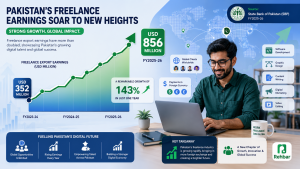
Earning dollars from Pakistan is no longer unusual. It’s a documented, growing industry. According to data released by the State Bank of Pakistan, Pakistani freelancers earned $557 million through computer and information services between July and December 2025, a 58% year-on-year increase. Between July 2025 and March 2026, nine months, Pakistani freelancers earned $856 million in foreign exchange. Pakistan’s IT exports reached $3.39 billion in the first nine months of FY2026 alone.
Those aren’t projections. They’re SBP figures. Real people sitting in Lahore, Karachi, Rawalpindi, and smaller cities are earning real US dollars from international clients, often from their bedrooms.
This guide on how to earn dollars online in Pakistan covers the methods that actually work, what you need to start each one, how much you can realistically expect to earn, and how to get the money into your Pakistani bank account.
Read More: How to Make Money Without Investment
Why Earning in Dollars Makes Such a Difference in Pakistan
When the USD-to-PKR exchange rate sits around PKR 280, a $500 monthly income converts to roughly PKR 140,000. That’s a solid professional salary by Pakistani standards, earned entirely online, from home, with no commute.
Pakistan is already ranked among the world’s top five freelancing markets, with more than 2.3 million active freelancers contributing to digital exports.
The structural reasons this works for Pakistan are real: an English-speaking, technically educated workforce with strong foundations in software, engineering, and design that map directly onto global client needs, combined with the rupee’s depreciation making Pakistani talent highly cost-competitive for dollar-paying clients, creating an arbitrage that benefits both sides.
On top of that, the government has actively made it easier to receive and hold dollar earnings. Freelancers can now retain up to 50 percent of their income in foreign-currency bank accounts. IT companies and freelancers can retain up to $5,000 monthly. Freelancers registered with the Pakistan Software Export Board (PSEB) pay a preferential tax rate of just 0.25 percent on IT-export revenue.
Read More: How to Earn from YouTube in Pakistan
Method 1: Freelancing (The Highest-Earning Option)
Freelancing is how the majority of Pakistanis earn dollars online, and it’s where the highest incomes are earned.
Platforms like Upwork, Fiverr, and Freelancer connect you with clients worldwide. Services in demand include graphic design, content writing, web development, video editing, SEO, and social media management.
Read More: How to Earn from TikTok in Pakistan
Platforms to Use
Upwork is the largest professional freelancing marketplace. It tends to favour established freelancers with reviews, so it takes longer to get traction, but the hourly rates are higher. Pakistani web developers, software engineers, and digital marketers do particularly well here.
Fiverr lets you create “gigs” (fixed-price service listings) that clients discover through search. It’s easier to get started as a beginner because clients come to you rather than you bidding on projects. Popular categories for Pakistani freelancers include logo design, content writing, video editing, and voiceovers.
Freelancer.com uses a bidding system similar to Upwork. Good for beginners who want to compete on price initially while building a portfolio.
Toptal is for elite developers and designers. The application process is rigorous (reportedly only 3% of applicants are accepted), but rates are significantly higher, with many Toptal developers earning $50 to $150 per hour.
99designs focuses specifically on graphic design, with designers competing in design contests and working directly with clients. One Pakistani freelancer, Hisham Sarwar, has made over $1 million in revenue on Guru.com. That’s a ceiling case, but it illustrates what’s possible with sustained effort.
Read More: How to Monetize Facebook Page in Pakistan
Skills That Pay the Most in Dollars
Not all skills earn equally. The highest-paying categories for Pakistani freelancers include:
- Web and mobile development (React, Node.js, Flutter, iOS/Android): $30 to $100+ per hour
- AI and machine learning integration: increasingly in demand post-2023
- Digital marketing (Meta Ads, Google Ads, SEO): $20 to $60 per hour
- Copywriting and content writing in English: $15 to $50 per hour
- Graphic design and brand identity: $10 to $50 per hour
- Video editing and motion graphics: $15 to $40 per hour
- Virtual assistance and data entry: $5 to $15 per hour (lower but accessible for beginners)
If you don’t have a skill yet, the Government of Pakistan’s DigiSkills.pk platform offers free online courses. Government initiatives promoting digital literacy have played a major role in Pakistan’s freelancing growth.
Realistic Earnings Timeline
Getting your first paid client on Upwork or Fiverr takes most people two to six months of consistent effort. Starting with lower prices to earn reviews, then raising rates as your profile grows, is the standard path. Expect PKR 20,000 to 50,000 per month in year one, and PKR 100,000 to 500,000+ per month after two to three years if you develop a strong niche.
Read More: How to Monetize YouTube Channel in Pakistan
Method 2: Remote Employment (Fixed Salary, Dollar Income)
Remote jobs differ from freelancing: you work set hours for one employer who pays you a regular salary. In-demand roles include customer support, QA testers, full-stack software development, and virtual assistants. Wise and Payoneer MassPay are top payout options for Pakistan-based employees.
Where to find remote jobs:
- LinkedIn (filter by “Remote” in location settings)
- Remote.co and We Work Remotely
- AngelList (for startup jobs)
- Indeed (search “remote Pakistan” or “work from home”)
Remote jobs tend to pay better than local Pakistani employment and offer stability that freelancing doesn’t. The tradeoff is that you work specific hours, often aligned with US or European time zones, and you’re accountable to one employer.
Pakistani software developers, data analysts, and customer support specialists are consistently hired by international companies. Companies in the UAE, UK, US, and Australia regularly post remote roles accessible from Pakistan.
Read More: 8 Best Skills to Learn Online in Pakistan
Method 3: Content Creation (YouTube, TikTok Monetisation)
Pakistani creators are earning real dollar income through YouTube AdSense, sponsorship deals, and affiliate marketing built into their content.
YouTube AdSense pays in USD directly to your linked Google AdSense account. Pakistani content that targets international audiences earns significantly more per view than content targeting only domestic viewers. Channels covering personal finance, tech reviews, English tutorials, and career advice in English earn CPM rates closer to global averages.
TikTok’s Creator Fund is not available in Pakistan, but brand deals are. Pakistani creators with engaged audiences in niches like food, comedy, education, and lifestyle regularly earn PKR 50,000 to PKR 500,000 per sponsored post from both local and international brands.
Method 4: Affiliate Marketing
Affiliate marketing means earning a commission every time someone buys a product through your unique referral link. No customer service, no inventory, no invoicing. You share the link; they buy; you earn.
Popular affiliate programmes accessible from Pakistan:
- Amazon Associates: 1% to 10% commission on Amazon products. Works best if you create product review content (YouTube, blog, or social media) targeting US or UK audiences.
- Daraz Affiliate Programme: For content targeting Pakistani buyers, Daraz’s affiliate programme pays commissions in PKR.
- Software tools: Hostinger, Canva, SEMrush, and dozens of SaaS companies pay 20% to 40% recurring commissions. One sale of an annual plan can pay you every month that customer renews.
- Impact.com and CJ Affiliate: Marketplaces listing hundreds of international brands with affiliate programmes. Joining is free.
Affiliate marketing works best when combined with another platform: a YouTube channel, a blog, or even a TikTok account. The content brings in the audience; the affiliate links monetise it.
Read More: How to Become a Freelancer Without Experience
Method 5: Selling Digital Products or Services
Creating once and selling repeatedly is the most scalable way to earn online. Digital products include online courses, ebooks, templates, presets, website themes, and more.
Pakistani educators and professionals are selling courses on Udemy, Teachable, and Gumroad to global audiences. A well-made Udemy course on a popular programming language, marketing skill, or design technique can earn passive income for years.
Graphic design templates sold on Creative Market or Envato Elements, website themes on ThemeForest, and stock photography on Shutterstock are other examples of create-once-sell-many products.
The upfront work is significant. A quality Udemy course takes weeks to produce. The return, once it’s live and reviewed, compounds over time without proportional additional effort.
Read More: How to Start Shopify Dropshipping in Pakistan
Method 6: Selling on International E-commerce Platforms
Dropshipping and print-on-demand allow Pakistanis to sell products online without holding inventory. You create a store, market products, take orders, and a supplier ships directly to the customer.
Shopify with print-on-demand suppliers like Printful (based in the US) allows Pakistani sellers to list custom T-shirts, mugs, and home decor on their store. Income comes in dollars; Payoneer handles the transfer to Pakistan.
This model requires upfront investment in marketing (typically Meta Ads or Google Ads) and has a learning curve, but successful Pakistani dropshippers have built businesses earning $2,000 to $10,000 per month.
How to Receive Dollar Payments in Pakistan
Getting dollars from international clients into Pakistan is simpler than most people think, with several reliable options:
Payoneer is the most widely used option among Pakistani freelancers. It integrates directly with Upwork, Fiverr, Amazon, and most major freelance platforms. Withdraw to your Pakistani bank account in PKR, or to JazzCash directly. Fees are approximately 3 to 4% total.
Wise offers lower fees (approximately 1 to 1.5%) for direct client payments. It gives you USD, GBP, and EUR receiving accounts. Clients transfer to your Wise account; you transfer the balance to your Pakistani bank in PKR. Wise does not integrate with Upwork or Fiverr.
Bank Wire Transfer: Suitable for large, infrequent payments from direct clients. Higher fees on both ends but creates a clean bank record.
The government has facilitated freelancers to maintain foreign exchange accounts and retain up to 50 percent of their income in dollars in their bank accounts. This means you’re not forced to convert everything to PKR immediately, which is valuable when the exchange rate is volatile.
Read More: How to Start Amazon Business from Pakistan
The Tax Side: What PSEB Registration Does for You
Freelancers registered with the Pakistan Software Export Board (PSEB) pay a minimal 0.25 percent tax rate on IT-export revenue, substantially less than standard corporate tax rates.
PSEB registration is straightforward and free. Register at pseb.org.pk with your CNIC, bank account, and basic information about your services. Once registered, you declare your freelance income as IT exports at the 0.25% rate rather than standard income tax.
This benefit alone is significant. A freelancer earning $2,000 per month pays roughly $60 per year in tax on those earnings if PSEB-registered, versus several hundred dollars under standard income tax rates.
Read More: Best Freelancing Websites in Pakistan
Comparison: Dollar-Earning Methods for Pakistanis
| Method | Startup Cost | Time to First Dollar | Income Ceiling | Skill Required |
| Freelancing (Upwork/Fiverr) | None | 1 to 6 months | Very high | Yes (learnable) |
| Remote employment | None | 1 to 3 months | High | Yes |
| YouTube AdSense | None | 3 to 12 months | High | Content creation |
| Affiliate marketing | None to low | 3 to 12 months | Medium to high | Marketing |
| Digital products (courses) | Low (time) | 1 to 6 months | High | Subject expertise |
| Dropshipping/e-commerce | Medium (ads) | 1 to 3 months | Very high | Marketing + operations |
FAQ
Can I earn dollars online in Pakistan without any skill?
Realistically, the highest-paying methods all require some skill. That said, skills like content writing, data entry, customer support, and social media management can be learned within weeks or months. Platforms like DigiSkills.pk offer free government-backed training.
Is earning dollars online in Pakistan legal?
Yes. Pakistan has facilitated formal inward remittance channels, foreign currency accounts, and PSEB registration for freelancers. Earnings brought through official banking channels are completely legal and actively encouraged by the government.
Which is the easiest way to start earning dollars online quickly?
Fiverr is the most beginner-accessible platform for Pakistanis starting from zero. Creating a gig in a category you have any ability in (writing, basic design, transcription, data entry) and pricing it competitively is the fastest path to a first payment. JumpTask and similar micro-task platforms also offer quick first earnings, though at very low rates.
Do I need PayPal to receive international payments?
No. PayPal is not officially available in Pakistan as of mid-2026. Payoneer and Wise both work reliably for receiving international payments in Pakistan, and both are accepted by major freelance platforms.
How much can a freelancer realistically earn from Pakistan in their first year?
Most serious beginners earn $100 to $500 per month by the end of their first year on Upwork or Fiverr. Some earn much more if they’re skilled in high-demand areas. Treating it as a part-time income for the first year while building your profile and reviews is the realistic approach for most people.
The opportunity to earn dollars online from Pakistan has never been better documented or better supported by government policy. The practical starting point is choosing one method, committing to it for at least six months, and not jumping between options every few weeks when results take time to materialise. Pick the method that matches your existing skills most closely, register with PSEB once you start earning, and use Payoneer or Wise to receive your payments through official channels.
Read More: How to Start Freelancing in Pakistan