How to Reduce High Blood Pressure: 10 Proven Methods
Health Disclaimer: This article is for informational purposes only and does not substitute for professional medical advice. If you have high blood pressure, consult a qualified doctor before making changes to your diet, medication, or lifestyle.
High blood pressure is sometimes called a silent killer. That phrase gets used so often it’s lost its edge, but the numbers behind it should sharpen your attention. More than 1.28 billion people worldwide live with high blood pressure. Most of them don’t know it. Many who do know aren’t doing much about it.
Pakistan’s situation is even more troubling. According to a WHO report cited by Pakistan Hypertension League president Prof. Muhammad Nawaz Lashari on World Hypertension Day 2024, the prevalence of hypertension in Pakistan stands at 44 per cent, significantly higher than the global average of 33 per cent. A staggering 56 per cent of hypertensive patients in the country remain undiagnosed, putting them at high risk of heart disease, stroke, and kidney failure.
The good news is that high blood pressure is genuinely responsive to lifestyle changes. You don’t have to be on medication forever if you haven’t reached the stage where medication is non-negotiable, and if you are already on medication, the strategies below can make it work better. Here’s what the current evidence actually supports.
The DASH Diet: The Most Studied Eating Pattern for Blood Pressure
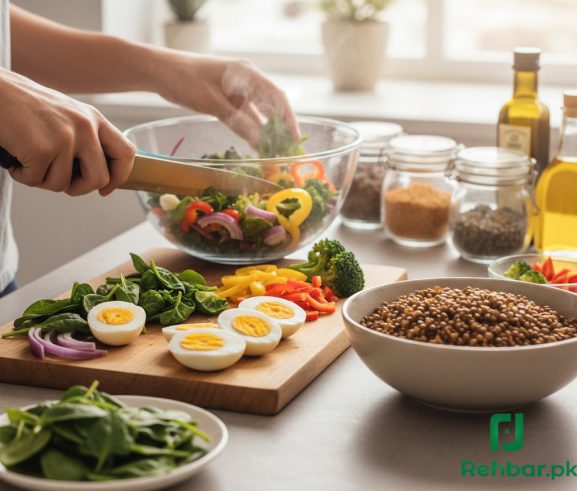
The DASH diet, Dietary Approaches to Stop Hypertension, is the most rigorously tested dietary strategy for reducing blood pressure. It’s not a fad. It was developed specifically to address hypertension through nutrition, and the evidence behind it is substantial.
The DASH diet reduced systolic blood pressure by 6 mm Hg and diastolic blood pressure by 3 mm Hg in patients with high-normal blood pressure. Those with established hypertension saw drops of 11 and 6 mm Hg, respectively, and these changes occurred without any change in body weight.
To put that in plain terms: a change in eating patterns alone, with no weight loss, produced reductions comparable to some medications.
The DASH approach emphasises high intake of fruits and vegetables, which provide potassium, magnesium, fibre, and antioxidants. Potassium promotes sodium excretion and reduces vascular smooth muscle contraction. Magnesium acts as a natural calcium channel blocker, promoting vasodilation and improving endothelial function.
The DASH plan recommends eating plenty of foods packed with vitamins like potassium and magnesium, such as leafy greens and beans, rather than prescribing exact foods to eat.
For Pakistanis, adapting DASH doesn’t require overhauling entire food traditions. It means eating more palak (spinach), moong dal, lobia, fresh vegetables, and fruit, and cutting back on fried foods, red meat, and heavily salted snacks like chips, papad, and processed deli meats. Mango season is actually good news for potassium intake.
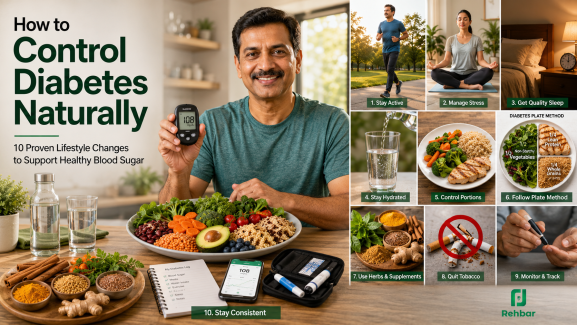
Read: How to Control Diabetes Naturally : 10 Proven Methods
Cut Salt. Specifically, the Hidden Salt.
Most people already know salt is bad for blood pressure. What fewer people know is where the salt is actually hiding.
Only a small amount of sodium occurs naturally in foods. Most sodium is added during processing. That means packaged crisps, instant noodles, tinned soups, processed meats, ready-made sauces, and restaurant food are the biggest offenders — not the pinch of table salt you add at the dinner table.
Clinical trials indicate that reducing sodium to 1,500 mg daily results in further decreases in systolic blood pressure of approximately 2 to 7 mm Hg compared to 2,300 mg daily intake. The American Heart Association recommends no more than 1,500 mg of sodium per day for people with high blood pressure. One teaspoon of table salt contains roughly 2,300 mg.
Practical steps:
- Cook from scratch more often, using spices like zeera (cumin), dhaniya (coriander), and haldi (turmeric) for flavour instead of salt
- Check sodium on nutrition labels when buying packaged food
- Ask for food with less salt when eating out
- Replace high-sodium pickles and achaar with small portions, not daily use
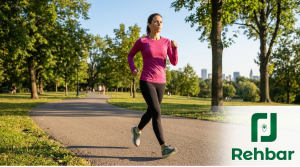
Exercise: The Most Underutilised Blood Pressure Tool
You don’t need a gym. You need consistent movement.
Regular exercise makes the heart stronger. A stronger heart can pump more blood with less effort, so the force on blood vessels goes down. Studies show drops of 4 to 10 mm Hg systolic and 5 to 8 mm Hg diastolic from regular exercise.
A 2025 meta-analysis reviewed 31 randomised controlled trials covering more than 1,345 participants and multiple exercise types. Aerobic exercise remained the most consistently effective approach for lowering blood pressure throughout the day and night. Combined exercise training reduced systolic blood pressure by an average of 6.18 mm Hg, HIIT reduced it by 5.71 mm Hg, and aerobic exercise alone reduced it by 4.73 mm Hg.
Study author Rodrigo Ferrari, PhD, a professor at the Federal University of Rio Grande do Sul, explained that combined training is particularly beneficial because it integrates the physiological mechanisms of both aerobic and resistance exercise, offering a more comprehensive health profile.
For most people, the target is 150 minutes of moderate aerobic activity per week. That’s roughly 30 minutes a day, five days a week. Brisk walking counts. Swimming counts. Cycling counts. The key word is brisk: you should be breathing harder than normal, but still able to hold a conversation.
Lose Weight, Even a Small Amount Helps
The rise in blood pressure is strongly linked to the extent of weight gain, and even moderate weight gain is associated with an amplified risk of developing high blood pressure. Weight loss is considered the most effective non-medicinal therapy for reducing blood pressure.
If you’re overweight, losing even 5 pounds (about 2.3 kilograms) can lower your blood pressure. You don’t need to reach an ideal body weight to see results. Small, sustained progress makes a real difference.
Visceral fat — the fat stored around the abdomen — is particularly associated with hypertension. A waist circumference above 90 cm for men and 80 cm for women is considered a risk factor for South Asians, according to WHO guidelines that account for the fact that South Asians carry metabolic risk at lower BMI levels than other populations.
Read: How to Lose Weight Naturally
Reduce Sodium, But Also Increase Potassium
These two minerals have a push-pull relationship in your body. Sodium retains water and raises blood pressure. Potassium helps your kidneys flush sodium out.
The CDC recommends eating a variety of foods rich in potassium, fibre, and protein and lower in salt and saturated fat as key steps to prevent and control high blood pressure.
Potassium-rich foods available and affordable in Pakistan include:
- Bananas
- Sweet potatoes (shakarkandi)
- Spinach and other leafy greens
- Dal and legumes (lentils, chickpeas, kidney beans)
- Tomatoes
- Oranges and citrus fruits
One important caveat: people with kidney disease should not increase potassium intake without medical supervision, as compromised kidneys cannot excrete excess potassium efficiently.
Manage Stress, Chronic Stress Is a Direct Cause
Stress doesn’t just feel bad. It physically raises your blood pressure through a very direct mechanism.
When you’re stressed, your body releases adrenaline and cortisol. These hormones speed up your heart rate and cause your blood vessels to narrow. Excessive use of stress is one of the recognised predisposing factors contributing to hypertension.
The tricky part is that chronic low-grade stress, the kind that comes from financial pressure, difficult family dynamics, or a demanding job, keeps cortisol elevated in the background without giving your body time to recover. Over time, that chronically elevated state takes a toll on your arteries.
What actually helps is different for different people. Structured practices with evidence behind them include:
- Slow, diaphragmatic breathing (inhale for 4 seconds, hold for 4, exhale for 6)
- Regular physical activity, which also lowers cortisol
- Prayer and religious practice, which research increasingly recognises as genuine stress modulators in Muslim-majority populations
- Time in nature
- Consistent social connection
Both meditation and deep breathing can activate the parasympathetic nervous system, which helps slow your heart rate and lower blood pressure.
Read: Is Detox Water a Myth or Does It Really Work?
Protect Your Sleep
Getting fewer than seven hours of sleep every night for weeks can play a role in high blood pressure.
Sleep is when your blood pressure naturally dips, typically dropping 10 to 20% below daytime levels. People whose blood pressure doesn’t dip during sleep, a pattern called “non-dipping,” have significantly higher rates of cardiovascular complications. Poor sleep disrupts this pattern.
Practically speaking, seven to nine hours is the target. Improving sleep quality matters as much as duration. That means a consistent sleep schedule, a dark and cool room, avoiding heavy meals and screen time close to bedtime, and addressing snoring or sleep apnoea if it’s present. Sleep apnoea, in which breathing repeatedly stops during sleep, is a recognised independent cause of hypertension. If you snore loudly and feel unrefreshed in the morning, it’s worth discussing with a doctor.
Limit Alcohol
Drinking too much alcohol can make your blood pressure go up, and alcohol can also make blood pressure medicines less effective.
For those who do drink, the guidance from Mayo Clinic and the American Heart Association is no more than one standard drink per day for women and two for men. Beyond that threshold, alcohol’s effect on blood pressure becomes progressively harmful.
This is less of an issue in Pakistan given the low prevalence of alcohol use, but it’s worth noting for readers in other regions.
Quit Smoking
Smoking raises blood pressure. Stopping smoking helps lower blood pressure, reduces the risk of heart disease, and can improve overall health, possibly leading to a longer life.
Nicotine causes an immediate spike in blood pressure and heart rate. Long-term smoking damages the lining of blood vessels and accelerates atherosclerosis, hardening of the arteries, which makes hypertension worse and more resistant to treatment.
Quitting is difficult, and most people need more than willpower. Nicotine replacement therapy (patches, gum) and medications like varenicline (Champix) are available in Pakistan. Your doctor can help you choose the right approach.
Monitor Your Blood Pressure at Home
Knowing your numbers is not the same as understanding them, but not knowing them at all means you’re flying blind.
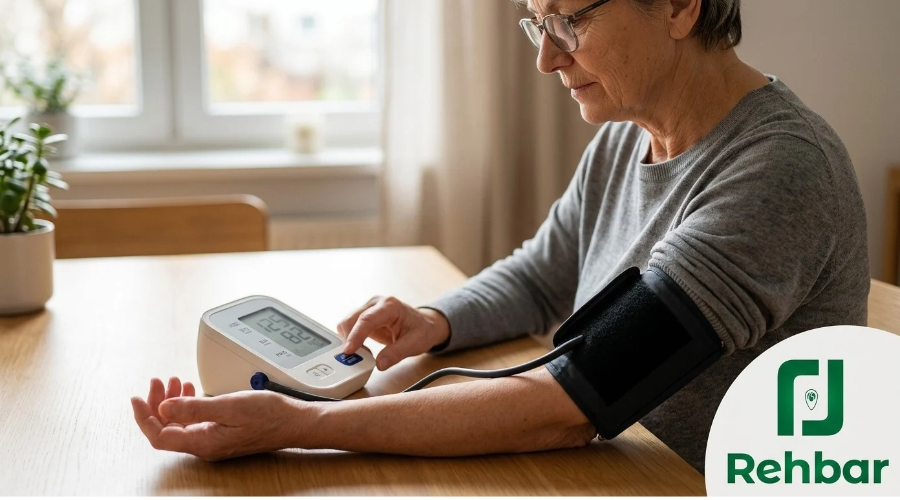
A basic home blood pressure monitor costs between 3,000 and 8,000 Pakistani rupees (exact prices vary; check pharmacy chains like D. Watson or Dawaai). You don’t need the most expensive model. What you need is consistency.
The right technique matters:
- Sit quietly for five minutes before measuring
- Place the cuff on your upper arm at heart level
- Don’t cross your legs
- Take two or three readings, two to three minutes apart, and average them
- Measure at the same time each day, ideally morning and evening
Blood pressure is considered high when it reads 130/80 mm Hg or above according to American Heart Association guidelines, or 140/90 mm Hg under WHO and most Pakistani clinical guidelines. If your readings consistently fall above these thresholds, see a doctor.
Consider Natural Supplements (With Caution)
A handful of natural supplements have some clinical evidence behind them for blood pressure reduction. None of these replace medication if your doctor has prescribed it, and all carry potential interactions with drugs.
Garlic
Garlic meets the criterion of “some evidence of benefit” in natural treatment of hypertension, based on a review in the Natural Medicines Comprehensive Database, with studies documenting reductions of 9 mm Hg or more in systolic blood pressure. Raw or aged garlic extract appear more effective than cooked garlic for this purpose.
Fish Oil (Omega-3s)
Fish oil is one of five agents with some evidence of benefit in natural hypertension treatment, based on review of clinical trials. Fatty fish like sardines and mackerel are the best food sources. Fish oil supplements are widely available, though dose and quality vary between brands.
Coenzyme Q10 (CoQ10)
CoQ10 may lower blood pressure by correcting an endogenous provitamin deficiency, and a review of eight clinical trials all showed some degree of blood pressure reduction, though the amount was not consistent across trials. The evidence is promising but not yet strong enough to recommend it broadly.
It’s worth emphasising that supplements work on the margins. Diet, exercise, weight, and sleep make the largest differences.
Blood Pressure at a Glance: What Lifestyle Changes Can Realistically Achieve
| Intervention | Approximate Systolic BP Reduction |
| DASH diet (with hypertension) | Up to 11 mm Hg |
| Combined exercise training | ~6 mm Hg |
| HIIT exercise | ~5.7 mm Hg |
| Sodium reduction (to 1,500 mg/day) | 2 to 7 mm Hg |
| Aerobic exercise alone | ~4.7 mm Hg |
| Quitting smoking | Variable, improves long-term risk |
| Weight loss (5 lbs / 2.3 kg) | Measurable reduction |
These effects are additive. A person who improves their diet, exercises regularly, and reduces sodium could see a combined reduction of 15 to 20 mm Hg, enough to move someone from Stage 1 hypertension into the normal range without medication.
FAQ
What is a normal blood pressure reading?
Normal blood pressure is generally below 120/80 mm Hg. Readings between 120 to 129 systolic (with diastolic below 80) are classified as elevated. Stage 1 hypertension is 130 to 139 / 80 to 89 mm Hg. Stage 2 is 140/90 mm Hg or above. A hypertensive crisis — requiring immediate medical attention — is above 180/120 mm Hg.
Can high blood pressure be cured permanently?
For most people, high blood pressure is managed rather than cured. Lifestyle changes can bring it into the normal range, but if those changes stop, blood pressure tends to rise again. Some people with mild hypertension who lose significant weight and sustain lifestyle changes can come off medication permanently — but only under medical supervision.
How quickly do lifestyle changes lower blood pressure?
Some changes work within days to weeks. The DASH diet has shown measurable effects within two weeks in controlled feeding studies. Exercise shows reductions after a single session, with more lasting effects after four to eight weeks of regular training. Weight loss takes longer but delivers cumulative benefit.
Is it safe to exercise with high blood pressure?
For most people, yes. Exercise is actually a treatment for high blood pressure. Talk to your doctor before starting intense exercise if your blood pressure is severely elevated (above 180/110 mm Hg) or if you have existing heart disease. For most people with Stage 1 or Stage 2 hypertension, regular moderate exercise is not just safe but actively recommended.
Does green tea help blood pressure?
There’s modest evidence that regular green tea consumption is associated with slightly lower blood pressure, likely due to antioxidants called catechins. It won’t replace other interventions but it’s a low-risk addition, especially as a swap for sugary chai or sweetened drinks.
The bottom line is practical: high blood pressure is one of the most modifiable chronic conditions there is. The strategies in this article aren’t fringe wellness advice. They’re backed by major health bodies including the WHO, Mayo Clinic, the American Heart Association, and Pakistan’s own Hypertension League. Start with one or two changes you can actually maintain, track your blood pressure at home, and work with your doctor to adjust from there.