Karachi Peoples Bus Service Routes and Timings
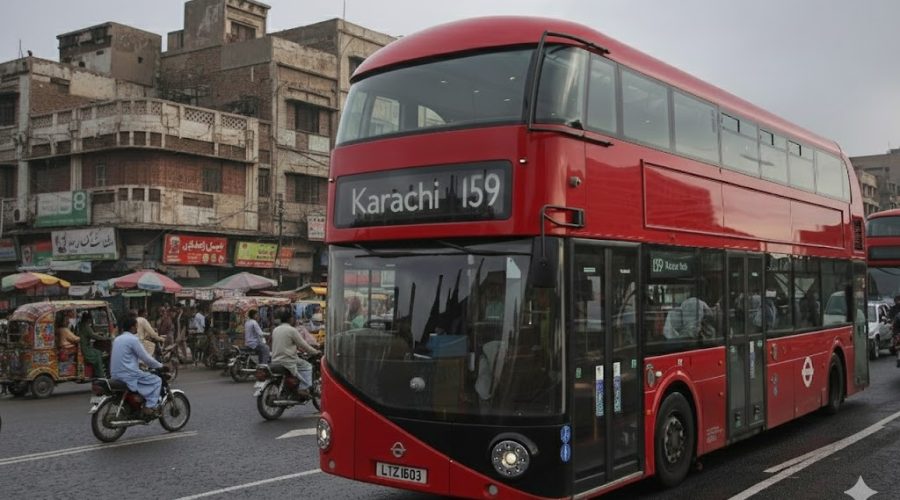
Commuting across the sprawling metropolis of Karachi used to mean squeezing into heavily decorated, rickety old minibuses or bargaining endlessly with reckless rickshaw drivers. The introduction of the Sindh Mass Transit Authority (SMTA) network changed the daily commute for millions of residents. Operating under the familiar banner of the Peoples Bus Service, these structured transit fleets offer a reliable public transit option that links distant residential sectors with the major commercial hubs of the city.
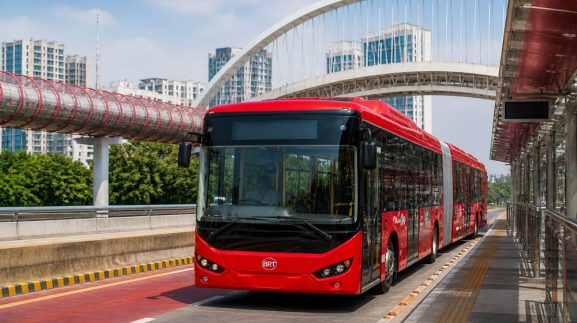
The fleet features distinct red diesel hybrid vehicles, purely electric white vehicles (EVs), and a dedicated pink fleet exclusively for women. The provincial government recently adjusted the pricing rules and expanded the operational loops to better handle the city’s explosive growth. Knowing the exact tracks, operating hours, and updated fare tiers saves you from standing on the hot roadside guessing when your next ride will arrive.
Operating Schedules and Frequency Standards
The service focuses on getting workers and students to their destinations during the most hectic parts of the day without long waiting intervals.
- Standard Operating Hours: All main routes open up their doors starting at 7:00 AM every morning and wrap up their operations at 10:00 PM at night.
- Peak Hour Frequency: Buses maintain a tight headway of roughly 15 minutes between 8:00 AM to 10:00 AM and from 5:00 PM to 8:00 PM.
- Off-Peak Frequency: The time gap between arrivals stretches out to about 30 minutes during midday and late evening slots.
The actual travel times fluctuate based on localized traffic choke points like Shahrah e Faisal bottlenecks or construction delays on University Road.
Read More: Green Line Bus Karachi:Stations List,Routes,Timings & Ticket
Updated Ticket Pricing and Smart Cards
The Sindh government structures the network fares on a highly subsidized model to keep transit accessible for daily wage earners and families. The SMTA enforces a fixed distance based two tier pricing matrix across the city tracking system.
| Travel Distance Range | Standard Single Ride Ticket Price |
| Short Commutes (Up to 15 Kilometers) | Rs 80 per passenger |
| Long Commutes (Greater than 15 Kilometers) | Rs 120 per passenger |
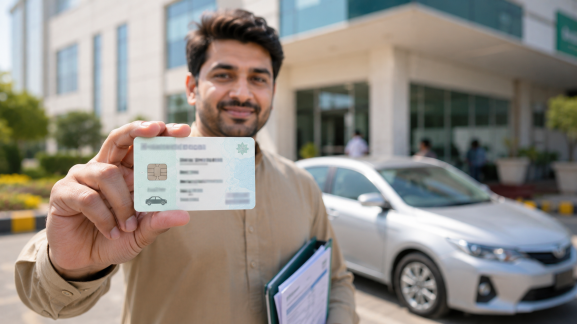
You can purchase standard paper tickets from the bus conductor inside the vehicle using cash. Commuters can also request automated smart transit cards at primary terminals to enjoy tap and go check ins.
The Complete Red Bus Route Directory
The red diesel hybrid vehicles form the foundational backbone of the urban transit grid, running extensive loops that connect distant outer neighborhoods with downtown coastal terminals.
Read More: Red Line Bus Karachi BRT Routes and Timings
Route 1 (Model Colony to Dockyard)
Spanning 28 kilometers, this high traffic track serves as a major pipeline connecting residential neighborhoods near the airport to the coastal port facilities.
- Key Stops: Model Colony, Saudabad, Malir Halt, Colony Gate, Drigh Road Station, Faisal Base, Karsaz, Nursery, FTC, Metropole, Fawwara Chowk, Arts Council, I.I. Chundrigar Road, Tower, Fisheries, Dockyard.
Route 2 (Power House to Indus Hospital)
This 30 kilometer line carves a path directly from the northern edge of North Karachi down into the industrial heart of Korangi.
- Key Stops: Power House, UP Mor, Nagan Chowrangi, Shafiq Morr, Sohrab Goth, Gulshan Chowrangi, NIPA, Johar Morr, COD, Drigh Road, Shah Faisal Colony, Singer Chowrangi, Indus Hospital.
Route 3 (Power House to Shaan Chowrangi)
Measuring 31 kilometers, Route 3 mirrors the northern start of Route 2 but branches deeper east into the Landhi industrial corridor.
- Key Stops: Power House, Nagan Chowrangi, Shafiq Morr, Sohrab Goth, Gulshan Chowrangi, NIPA, Johar Mor, COD, Drigh Road Station, Colony Gate, Shah Faisal, Landhi, Shaan Chowrangi.
Route 4 (Power House to Tower)
A shorter 21 kilometer line focused on shuttling northern residents directly down into the old city commercial wholesale markets.
- Key Stops: Power House, UP Mor, Liaquatabad 10, Teen Hatti, Jehangir Road, Mobile Market, Tibet Center, Jama Cloth Market, Civil Hospital, City Court, Bolton Market, Tower.
Route 9 (Gulshan e Hadeed to Tower)
The longest continuous standard hybrid run covering 42 kilometers, crossing almost the entire width of the metropolitan area along National Highway 5.
- Key Stops: Gulshan e Hadeed, Allah Wali Chowrangi, Steel Mill More, Port Qasim More, Razzakabad, Quaidabad, Malir 15, Airport, Drigh Road, Nursery, FTC, Regent Plaza, Metropole, I.I. Chundrigar Road, Tower.
Route 10 (Numaish to Ibrahim Hyderi)
A 28 kilometer stretch tracking down from the focal central Numaish interchange towards the coastal fishing communities and sub districts of Ibrahim Hyderi.
- Key Stops: Numaish Chowrangi, Lucky Star Saddar, FTC, Korangi Road, Qayyumabad, Korangi Crossing, Indus Hospital, Ibrahim Hyderi.
Route 11 (Shireen Jinnah Colony to Miran Nakka Lyari)
A compact 19 kilometer route serving crowded communities within the historic western sections of the urban core.
- Key Stops: Shireen Jinnah Colony, Custom House, Jinnah Bridge, Mauripur Road, Kalri, Miran Nakka Lyari.
Route 12 (Khokrapar to Lucky Star Saddar)
This 32 kilometer link pulls passengers out of the packed streets of Malir and Khokrapar and delivers them directly into the central shopping district of Saddar.
- Key Stops: Khokrapar, Saudabad Chowrangi, Kalaboard, Malir 15, Quaidabad, Dawood Chowrangi, Babar Market, Landhi Road, Nasir Jump, Indus Hospital, Korangi Crossing, Qayyumabad, Defence Mor, FTC, Lucky Star Saddar.
Read More: Complete Karachi Flyovers and Underpasses Guide
Purely Electric Vehicle (EV) Route Expansions
The Ministry of Transport introduced zero emission white electric vehicles to reduce urban air pollution while offering quiet, air conditioned environments.
EV 1 (Tank Chowk to Clock Tower DHA)
This 28 kilometer environmental line connects Malir Cantonment border zones with popular high end commercial oceanfront plazas in Clifton and DHA.
- Key Stops: CMH Malir Cantt, Tank Chowk, Model Colony Mor, Jinnah Avenue, Airport, Drigh Road, Karsaz, Nursery, FTC, Korangi Road, DHA Phase 1, Masjid e Ayesha, Clock Tower DHA, Dolmen Mall Clifton.
EV 2 (Bahria Town to Malir Halt)
A 30 kilometer track that gives residents of distant gated communities affordable transit access back into the central transit lines of the city.
- Key Stops: Bahria Town, Dumba Goth, M9 Toll Plaza, Baqai University, Malir Cantt Gate 5, Malir Cantt Gate 6, Tank Chowk, Model Mor, Malir Halt.
EV 3 (Malir Cantt Check Post 5 to Numaish)
A 20 kilometer loop designed to move students and state employees directly from Malir Cantt down to the downtown central grid station.
- Key Stops: Malir Cantt Check Post 5, Safoora Chowrangi, Kamran Chowrangi, Johar Chowrangi, Gulistan e Johar, Millennium Mall, Dalmia, Jail Chowrangi, Numaish.
The Information Minister recently announced the approval of an additional 500 electric vehicles to scale up alternative loops across western districts, including Ittehad Town, Banaras Colony, and Orangi Ghaziabad.
The Pink Bus Initiative (Women Exclusive Lanes)
To address safety concerns and eliminate instances of transport harassment, the government operates the highly successful Pink Bus Service. These bright pink vehicles carry women exclusively and feature female conductors to ensure security during rush hour commutes.
| Route ID | Starting Terminal | Ending Terminal |
| R1 Pink | Model Colony | Dockyard Terminal |
| R2 Pink | Power House North Karachi | Indus Hospital Korangi |
| R3 Pink | Power House North Karachi | Nasir Jump Landhi |
| R9 Pink | Gulshan e Hadeed | Tower Station |
| R10 Pink | Numaish Chowrangi | Ibrahim Hyderi Coast |
These designated vehicles track the identical paths, stops, and pricing modules of their primary Red Bus counterparts but remain strictly reserved for female passengers and young children traveling with them.
Common Transit Rules and Passenger Etiquette
Getting along with hundreds of fellow passengers inside a moving capsule requires everyone to respect basic code rules.
- Front Section Priority: The forward rows of all standard red and white hybrid vehicles remain strictly reserved for women, families, and elderly riders. Male passengers must move towards the central and rear standing sections.
- Exact Change Convenience: Try to keep small denomination notes like Rs 20, Rs 50, or Rs 100 handy. Handing over a large Rs 1,000 note for an Rs 80 ticket slows down collection lines and causes friction with the conductor.
- Smart Card Care: Do not scratch or bend your electronic transit cards. The onboard proximity scanners cannot read damaged internal chips, forcing you to pay cash fares.
Frequently Asked Questions
Can I track the live location of the Peoples Bus Service on my phone?
The official SMTA tracking application allows passengers to view live GPS feeds of operational buses along with remaining seat counts, though system updates occasionally drop during localized mobile data disruptions.
Are children required to buy a full price ticket?
Young children under the age of three travel completely free of charge when sitting on a parent’s lap, while older children occupying an independent seat require a standard fare ticket.
Do the buses operate normally during heavy monsoon rainfall events?
The electric vehicle fleets occasionally experience temporary service halts on flooded roads like the NIPA low points or Shahr-e-Faisal underpasses to protect the battery arrays, while the larger hybrid diesel units try to maintain standard operations wherever safe.
Is there a student discount package available for daily travel?
The current model uses a flat subsidized pricing matrix for all citizens, meaning students pay the standard Rs 80 or Rs 120 rates without requiring separate academic institutional ID cards.
Read More
Green Line Bus Karachi Routes and Stops List
Red Line Bus Karachi BRT Routes and Timings