
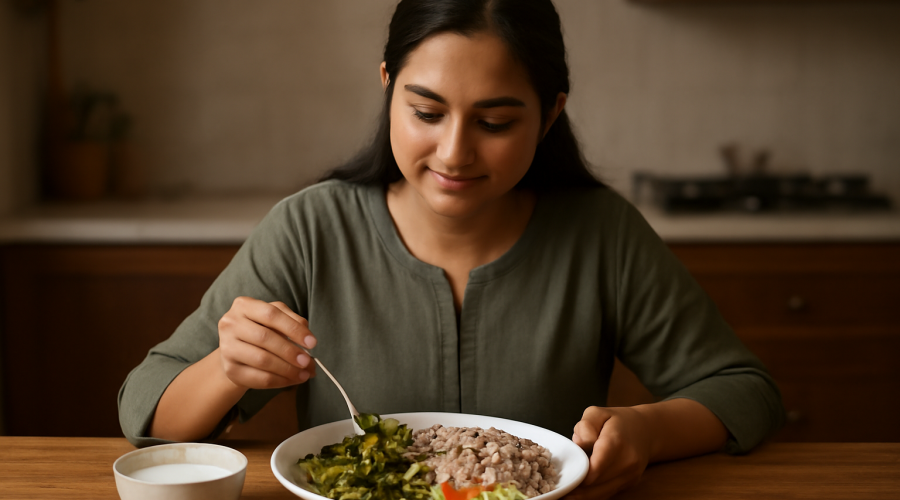
Healthy Pakistani Meal Ideas for Weight Management
Disclaimer: This article is for general informational purposes and isn’t a substitute for personalized medical or nutritional advice. Weight management needs vary by individual health history, activity level, and any existing conditions, so check with a doctor or registered dietitian before making significant changes to your diet, particularly if you have diabetes, thyroid issues, or other health conditions that affect how your body processes food.
Here’s the thing nobody needs to tell you twice: cutting out roti, biryani, and daal entirely doesn’t work as a long term strategy, no matter how many fad diets promise otherwise. The good news is you don’t have to. Weight management in a Pakistani kitchen comes down to portion awareness, smarter cooking methods, and leaning on the genuinely healthy staples that are already sitting in your pantry, not abandoning desi food for bland diet meals you’ll quit eating within two weeks.
This matters more than it might seem at first glance. According to the Pakistan National Health Survey, over 40% of Pakistani adults are overweight or obese, with the rate climbing fastest among urban women aged 25 to 45, a trend that tracks closely with rising rates of diabetes, hypertension, and heart disease across the country. None of that means panic. It means a practical, realistic approach to your everyday meals matters more than chasing the latest detox tea or crash diet.
The Real Principle Behind Weight Management
Before getting into specific meals, it helps to understand what actually drives weight change, because a lot of popular advice skips this and jumps straight to food lists. Weight management comes down to a calorie deficit, eating somewhat less energy than your body uses, combined with balanced nutrition that keeps you full and your body properly fueled. There’s no tea, pill, or supplement that burns fat on its own, and some marketed “fat burner” products carry real risks including liver strain and electrolyte imbalances. That money is better spent on actual food.
Research summarized by Mayo Clinic and cited across several Pakistani health platforms suggests a moderate calorie deficit of around 500 calories per day typically supports losing about 0.5 to 1 kilogram a week, which is considered a safe, sustainable pace. Anything dramatically faster than that is more likely water or muscle loss than actual fat loss, and it tends to come back just as quickly once normal eating resumes.
Diet does most of the heavy lifting here too. The commonly cited split among Pakistani nutrition guides puts diet at roughly 70% to 80% of weight management results, with exercise handling the remaining share, which is genuinely good news if a gym membership isn’t realistic for your schedule or budget right now. Walking, household activity, and basic bodyweight movement at home still count for something meaningful.
You Don’t Have to Give Up Roti
This is worth saying directly because so much diet advice online tells Pakistanis to cut carbs entirely, which is both unnecessary and hard to sustain. One small whole wheat roti per meal fits comfortably into a weight management plan. The shift that actually matters is choosing whole wheat over refined white flour where you can, and being mindful of how many rotis you’re adding per meal rather than eliminating them altogether.
A useful portion guide that shows up across several Pakistani nutrition resources uses your own hand as a built in measuring tool: a fist sized portion of vegetables, a palm sized portion of protein, and a thumb sized portion of fats like ghee or oil. It’s not precise in a clinical sense, but it’s realistic enough to actually use at a real dinner table without weighing every ingredient.
Smart Swaps That Don’t Sacrifice Flavor
A few small changes to how you cook familiar dishes can meaningfully reduce the calorie load of a meal without making it taste like diet food.
None of this requires giving up the dishes you actually enjoy. A multigrain paratha made with minimal oil, served with yogurt and salad once or twice a week, fits comfortably into a balanced approach rather than being treated as forbidden.
Breakfast Ideas Built Around What You Already Cook
Besan chilla, a savory gram flour pancake, works well as a high protein, naturally gluten free breakfast option. Pair it with mint chutney for flavor without adding meaningful calories. Two boiled eggs with whole grain toast is another straightforward, protein forward option that keeps you full longer than a carb heavy breakfast alone.
If you prefer something closer to a traditional start to the day, peanut butter oats made with half a cup of oats, a cup of milk, and a banana gives you fiber, protein, and sustained energy without relying on fried breakfast items like paratha every single morning.
Lunch Ideas That Don’t Feel Like a Diet
Lunch is where a lot of Pakistani weight management efforts either succeed or quietly fall apart, mostly because lunch tends to be the biggest, most flavor packed meal of the day. A few options that keep real desi flavor while managing portions sensibly.
Daal, whether masoor or moong, cooked with minimal oil and paired with one roti and a side of mixed vegetable sabzi, delivers real protein and fiber in a dish most Pakistani kitchens already make regularly. One cup of cooked masoor or moong daal provides roughly 230 calories and about 18 grams of plant based protein, which makes it one of the more efficient staples available in any desi kitchen for keeping you full without a heavy calorie cost.
Fish curry made with reduced oil, served alongside spinach saag and a small portion of quinoa or brown rice instead of white rice, brings in lean protein and omega 3 fats while keeping the overall meal lighter than a traditional oil heavy curry.
Palak paneer made with low fat paneer, paired with a single roti, gives you a vegetable forward main dish with a reasonable protein boost from the paneer itself, as long as the paneer portion stays moderate rather than overloaded.
Dinner Ideas That Stay Light
Nutritionists quoted across several Pakistani health platforms consistently recommend keeping dinner lighter than lunch, and finishing your last meal at least a few hours before sleeping rather than eating heavy close to bedtime. A few dinner options that fit that pattern without feeling like a punishment.
Grilled chicken tikka, boneless and without skin, served with kachumber salad and one whole wheat roti, plus a small bowl of plain dahi on the side, makes for a satisfying dinner that stays in a reasonable calorie range while still tasting like a proper meal rather than a diet plate.
Chicken vegetable soup made at home, not from a packet mix loaded with sodium and preservatives, paired with two small chapatis and a few slices of boiled egg on top for extra protein, gives you a light but genuinely filling dinner option, particularly useful on days when you’ve eaten more heavily earlier.
Lentil soup with grilled vegetables works as a simple, low effort dinner that leans entirely on plant based protein and fiber, which tends to sit lighter before bed than a heavier meat based dish.
Snacks That Won’t Derail Your Day
The gap between meals is where a lot of weight management plans quietly fail, usually because hunger hits and the nearest available option is a packet of chips or a sugary biscuit. A handful of roasted chickpeas, carrot sticks with hummus, or unsweetened buttermilk style lassi all give you something genuinely satisfying between meals without the calorie spike of typical packaged snacks.
Chana chaat, made from boiled chickpeas mixed with diced onion, tomato, and a squeeze of lemon, works particularly well as an afternoon option, since it’s both filling and naturally low in added oil compared to most fried Pakistani snack foods.
A Sample Day That Stays Realistic
This isn’t a rigid prescription, since individual calorie needs vary by body size, activity level, and goals, but it illustrates how a full day might look using the principles above. Breakfast might be besan chilla with mint chutney. A mid morning snack of roasted chickpeas or a piece of fruit bridges the gap to lunch, which could be daal with one roti, mixed vegetable sabzi, and a side salad. An afternoon snack of carrot sticks or chana chaat keeps energy steady, and dinner stays lighter with grilled chicken tikka, kachumber salad, and plain dahi.
A full day built this way typically lands somewhere in the range several Pakistani nutrition guides cite for a moderate calorie deficit aimed at gradual weight loss, generally in the 1,500 to 1,800 calorie range for an average adult, though your specific number depends on your starting weight, activity level, and goals. This is exactly the kind of number worth confirming with a dietitian rather than applying universally, since a 1,500 calorie target that’s appropriate for one person could be too restrictive or too generous for another.
Common Mistakes That Slow Progress
A few patterns show up repeatedly among people trying to eat healthier without seeing the results they expect.
Underestimating portion sizes is one of the most common issues. Multiple Pakistani nutrition guides point out that people often underestimate their actual calorie intake by 30% to 50%, particularly with oil heavy dishes where the cooking oil itself adds up fast without feeling like “extra” food. Tracking what you eat for even one or two weeks, using a simple notebook or a free app, tends to build real awareness of where the hidden calories are coming from.
Skipping meals to “save calories” for later in the day often backfires, leading to overeating once genuine hunger hits in the evening. Regular, balanced meals throughout the day tend to support better portion control than long gaps followed by one large meal.
Treating weekend gatherings and events as a complete pause from any awareness is another common gap. You don’t need to avoid family events or skip dessert at a wedding entirely, but staying mindful of portions even in social settings, rather than treating every gathering as an exception, adds up over weeks and months.
Frequently Asked Questions
Do I need to stop eating roti to manage my weight?
No. One small whole wheat roti per meal fits comfortably into a balanced weight management plan. Cutting carbs entirely is both unnecessary and difficult to sustain long term.
How fast should I expect to lose weight on a Pakistani diet plan?
Most nutrition sources point to roughly 0.5 to 1 kilogram per week as a safe, sustainable pace tied to a moderate calorie deficit. Faster weight loss is more likely to come from water or muscle loss rather than genuine fat loss.
Is daal really a good food for weight management?
Yes. One cup of cooked masoor or moong daal provides around 230 calories and roughly 18 grams of plant based protein, making it one of the more efficient staples in Pakistani cooking for staying full without a heavy calorie cost.
Can I still eat biryani or parathas while managing my weight?
Occasionally, yes. Most realistic approaches don’t require eliminating favorite dishes entirely, just being mindful of portion size and frequency, and favoring less oil heavy versions when you do prepare them.
Should I consult a doctor before starting a weight management plan?
If you have any existing health conditions like diabetes, thyroid issues, or heart conditions, yes, speak with a doctor or registered dietitian before making significant dietary changes, since calorie and nutrient needs vary considerably by individual health status.
Pick two or three swaps from this guide, maybe whole wheat roti over white flour and grilled chicken over fried, and build them into your regular cooking this week before trying to overhaul everything at once. Small, sustainable changes to meals you already know how to cook tend to stick far longer than a complete diet overhaul that disappears after the first difficult week.