SadaPay vs NayaPay for Freelancers
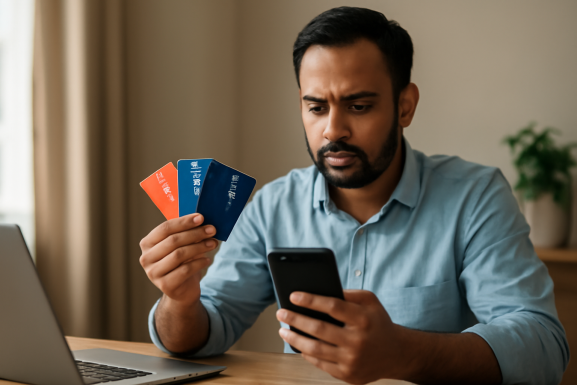
If you’re a freelancer in Pakistan trying to figure out which digital wallet to pair with your Payoneer or Wise setup, you’ve probably landed on the same two names everyone else does: SadaPay and NayaPay. Both are SBP licensed, both have slick apps, and both claim to be the freelancer friendly option. So which one actually deserves a spot on your home screen?
This comparison focuses specifically on what matters for freelancers: receiving international payments, conversion rates, fees, and day to day reliability, based on what actual users and recent reviews report rather than marketing copy.
The Basics: What Each App Is
SadaPay was born in 2018 and was acquired by the Turkish fintech company Papara for $50 million in 2024, offering a Mastercard backed platform built around simplicity. NayaPay, meanwhile, became Pakistan’s first SBP licensed Electronic Money Institution back in 2021, and operates as a feature packed super app with a Visa edge, backed by $13 million in funding.
SadaPay launched targeting the Gen Z and freelancer market specifically, with its standout feature being SadaBiz, which allows freelancers to receive international payments at some of the best PKR conversion rates in the country. NayaPay is the more feature rich cousin, feeling like a complete digital bank with everything from a Visa debit card to a robust bill payment system, and it has built a reputation as the steady choice when other fintechs face technical hiccups.
Both are regulated, which matters for trust. SadaPay is regulated by the State Bank of Pakistan as an Electronic Money Institution, meaning funds are legally protected, and both SadaPay and NayaPay are SBP licensed EMIs, meaning money is stored in a regulated environment. NayaPay specifically holds PCI DSS and ISO 27001 certifications and offers in app controls including the ability to set spending limits.
SadaBiz: SadaPay’s Freelancer Specific Feature
This is where SadaPay pulls ahead for a specific use case, and it’s worth understanding exactly how it works.
SadaBiz lets you generate a custom payment link in a few taps within the SadaPay app, which you can send to clients via WhatsApp, email, or SMS. Your client just enters their credit card details to complete the payment, cutting out the middleman entirely. In practice, this turns your phone into an invoicing engine, a freelancer can create an invoice with project details inside the app, send the link, and receive a notification within minutes once the client pays using Apple Pay or a card.
The numbers behind this matter. SadaBiz unlocks up to PKR 900,000 monthly in USD for freelancers, converted at market friendly rates. SadaBiz also integrates Apple Pay, charging a flat $1.50 withdrawal fee to move money into any local Pakistani bank account, compared to Payoneer’s percentage based charges that can be considerably higher on larger amounts. SadaPay’s partnership with Apple Pay specifically aims to connect Pakistani freelancers with the more than 700 million Apple Pay and Google Pay users worldwide, simplifying cross border transactions and removing the need for intermediaries.
NayaPay doesn’t have a direct equivalent to SadaBiz. NayaPay’s core strengths are cost free transfers to friends and family and an immediately available Visa debit card for online and offline purchases, which makes it more of a general purpose digital wallet than a dedicated freelancer invoicing tool.
Conversion Rates and Fees: Where the Real Difference Shows
This is the section that actually decides which app saves you money, and the answer depends partly on what you’re doing with the money.
For pure currency conversion on spending, SadaPay charges a simple 1.5 percent currency conversion fee, while NayaPay gives you the option to let Visa handle the conversion rate instead. In a real world test buying a $10 item online, the final PKR cost was almost identical on both cards, with only a few rupees difference.
For international spending specifically (subscriptions, online shopping), the picture flips. If you spend money internationally on things like Netflix, Steam, or Amazon, NayaPay is the cheaper option at 3.5 to 4 percent, compared to SadaPay’s 6 percent markup plus a flat PKR 55 fee on smaller transactions.
For receiving freelance income through SadaBiz versus general use, the comparison shifts again. One detailed freelancer guide recommends choosing SadaPay’s SadaBiz specifically if you’re a solopreneur billing direct international clients and want what’s described as close to a 0 percent fee experience, while recommending NayaPay as the reliable daily driver for local bills, online shopping, and managing lifestyle spending alongside freelance income.
Cards: Mastercard vs Visa
If you spend money internationally, NayaPay’s Visa offers wider ATM reach but at a cost, while SadaPay’s Mastercard markup is higher on smaller transactions. SadaPay offers complimentary virtual and physical Mastercard debit cards, globally accepted for local and international transactions, with no monthly fees and free local transactions under PKR 10,000.
NayaPay’s card situation has changed recently though. NayaPay previously offered its first card for free, but now charges a standard fee for the physical Visa debit card, though it remains cheaper than SadaPay’s Mastercard.
For ATM access, SadaPay account holders get three free ATM withdrawals monthly at any ATM across Pakistan, and SadaPay allows three free withdrawals per month before a small fee applies.
Reliability: The Part Reviews Keep Mentioning
Features and fees matter, but none of it counts if the app doesn’t work when you need it. This is where 2026 has apparently been a rougher year for both platforms.
2026 has been a rocky year for both apps, with surprise outages, fluctuating exchange rates, and occasional declined payments at the ATM leading many users to question which one they can actually trust. SadaPay users have praised the clean interface but have complained about occasional reliability issues and account freezes.
In direct comparison, SadaPay remains the stronger choice for freelancers receiving USD due to its conversion rates, but NayaPay currently has the edge in day to day reliability, like working consistently at a grocery store checkout.
NayaPay’s International Push
NayaPay hasn’t been standing still on the international front either, and this is worth knowing if you travel or shop internationally often.
NayaPay became Pakistan’s first fintech to enable direct QR payments at over 80 million merchants in China through a partnership with Alipay Plus that began in early 2024, and this has now expanded into global QR payments, bringing the same experience to markets worldwide for Pakistanis traveling or shopping abroad.
How They Compare at a Glance
Should You Even Pick Just One
Realistically, no. The honest answer from people who actually do this for a living points toward using both apps for different jobs.
One practical setup described as the “diamond era” approach for Pakistani freelancers uses SadaBiz specifically for receiving client payments, NayaPay for daily spending, and a UBL or Meezan bank account for long term savings and the 0.25 percent tax rate. The recommendation is to start with SadaBiz for billing, add Payoneer if you’re working on Upwork or Fiverr, and open a bank account once your earnings become consistent.
This isn’t an either or decision so much as picking the right tool for each specific task: SadaBiz when a direct client pays you, NayaPay for spending that money locally and internationally, and Payoneer if marketplace platforms are part of your income.
FAQ
Can I receive Payoneer withdrawals into both SadaPay and NayaPay?
Both cards work for receiving payments from international clients through services like Payoneer, with money landing in the account without issues, making this a tie between the two for that specific use case.
Which is better for a freelancer who mostly bills direct clients, not through Upwork or Fiverr?
SadaPay, through SadaBiz. SadaBiz is specifically recommended for solopreneurs billing direct international clients who want the lowest fee experience, since it skips marketplace fees entirely.
Is NayaPay better if I mostly spend money rather than receive it?
For international spending specifically, yes. NayaPay is cheaper for international purchases like subscriptions and online shopping, at 3.5 to 4 percent versus SadaPay’s 6 percent markup on smaller transactions.
Are there limits on how much I can spend internationally with these cards?
International card usage in Pakistan is subject to the State Bank of Pakistan’s annual spending limit of USD 30,000 per person, and both SadaPay and NayaPay comply with this regulation.
For most Pakistani freelancers, the practical move is setting up SadaBiz for receiving direct client payments and keeping NayaPay around for everyday spending and international purchases where its rates work out cheaper. Neither app fully replaces a bank account once your income becomes consistent, so treat both as part of a setup rather than a single either or choice.